

Every child grows in a unique way. Some children quickly develop communication skills, while others may need additional support with movement, behavior, learning, or emotional expression. Childhood development is rarely a straight path, and growth often happens through many small milestones over time. Because of this, families increasingly seek approaches that address more than one area of development at once.
Holistic child development therapy focuses on the whole child rather than a single challenge or symptom. Instead of concentrating only on speech, behavior, or motor skills separately, this approach looks at emotional well-being, social interaction, physical movement, communication, and cognitive growth as connected parts of a child’s overall progress. As a result, children can receive support that reflects the complexity of real-life development.
Supporting Emotional Growth
Emotional development forms an important foundation for childhood learning and relationships. Children who understand and manage emotions often find it easier to communicate needs, interact with peers, and adapt to new situations. However, some children struggle with frustration, anxiety, or emotional regulation, which may affect their daily experiences at home and school.
Holistic therapy approaches often include activities that help children recognize emotions and express them in healthy ways. Through play-based learning, guided interaction, and structured activities, children can practice identifying feelings and building confidence. Additionally, therapists may work with parents to create supportive routines that continue outside therapy sessions.
Over time, emotional growth can influence many other areas of development. Children who feel secure and understood are often more willing to participate socially, communicate openly, and try new experiences. Consequently, emotional support becomes an important part of the larger developmental picture.
Encouraging Communication Skills
Communication involves far more than speaking words. It includes listening, understanding, expressing ideas, reading social cues, and connecting with others. Some children may experience delays in speech or language development, while others may have difficulty expressing their thoughts clearly.
A holistic approach recognizes that communication can be influenced by several factors. Sensory sensitivities, emotional stress, attention challenges, and motor skills may all affect how a child communicates. Therefore, therapy often works on communication within everyday situations rather than isolated exercises.
Families searching for comprehensive care sometimes learn about programs such as Rise Pediatric Therapy, where integrated approaches to child development emphasize multiple areas of growth. While therapy styles vary, the broader goal remains similar: helping children build practical communication skills that fit naturally into daily life.
As communication improves, children often gain confidence in school settings, social environments, and family interactions. Small improvements can create meaningful changes that continue over time.
Strengthening Physical Development
Physical growth plays a significant role in childhood independence. Activities such as walking, climbing, writing, holding utensils, and participating in sports all depend on motor development. Some children may face challenges involving balance, coordination, posture, or fine motor control.
Holistic developmental therapy often addresses physical abilities through engaging activities rather than repetitive drills alone. Movement games, sensory play, and interactive exercises can help children develop skills while keeping them interested and motivated.
Furthermore, physical growth often affects emotional and social confidence. A child who feels comfortable joining playground activities or participating in classroom tasks may experience a stronger sense of belonging. Therefore, supporting physical skills contributes to broader developmental success.
Rather than viewing movement challenges separately, holistic approaches recognize the connections between body awareness, communication, confidence, and learning abilities.
Building Social Connections
Children learn many life skills through interaction with others. Sharing, taking turns, interpreting facial expressions, and responding to social situations are all important parts of development. However, social interactions can feel overwhelming for some children, particularly if communication or sensory difficulties are involved.
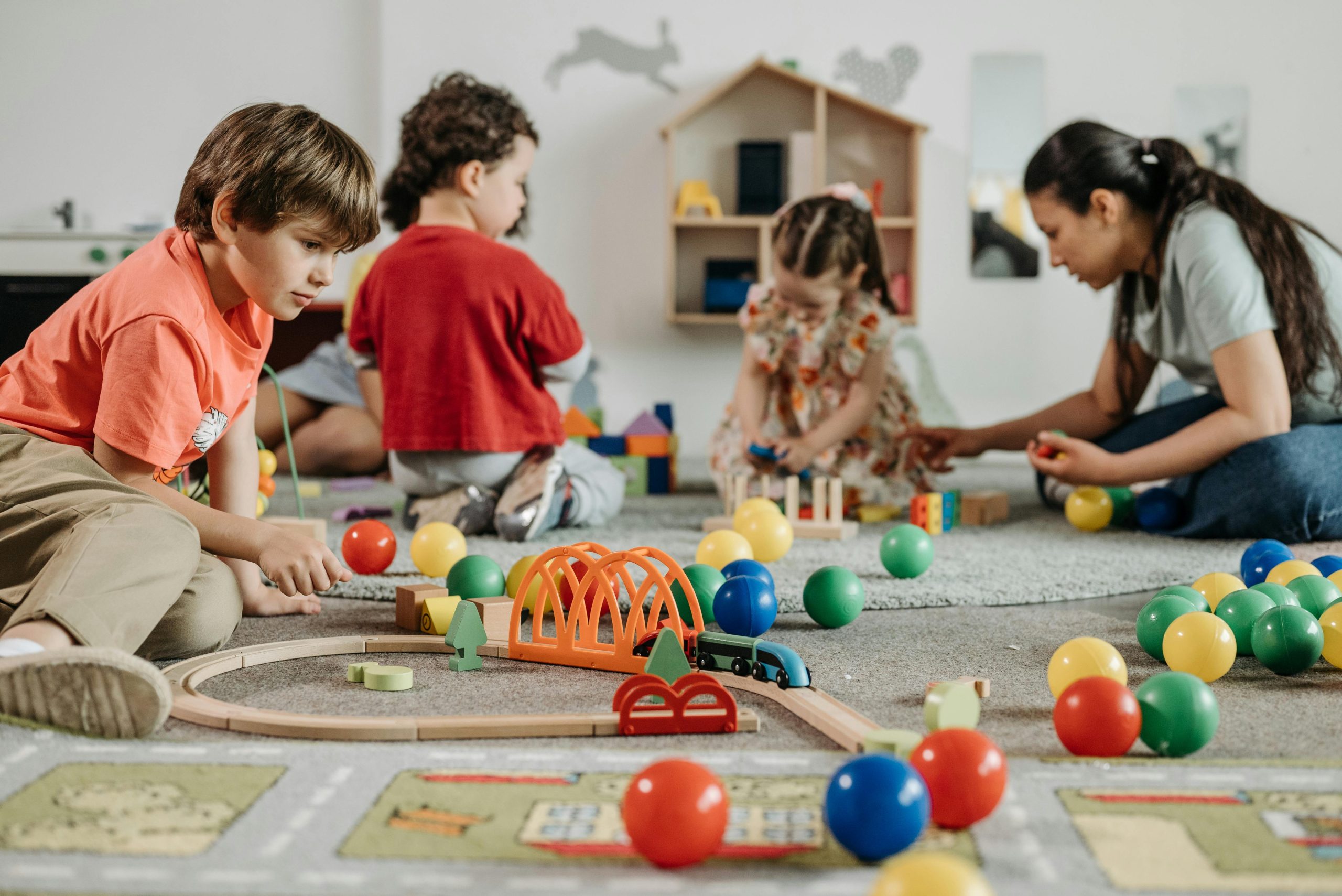
Holistic therapy frequently includes opportunities for guided social experiences. Through structured play, group activities, and peer interaction, children practice relationship-building skills in supportive environments. These experiences allow children to gain confidence while learning important social patterns.
Children often benefit when therapy reflects real-world experiences rather than focusing solely on isolated exercises. Since daily life naturally involves relationships and interaction, social development becomes a central piece of long-term growth.
Additionally, social confidence often affects academic participation and emotional well-being. As children become more comfortable connecting with others, they may show greater engagement in both school and community activities.
Creating Family-Centered Support
Parents and caregivers play a major role in a child’s development. Therapy sessions alone represent only a small part of a child’s daily experiences. Because children spend most of their time at home, family involvement can significantly strengthen progress.
Holistic care frequently includes guidance for parents so they can support developmental goals outside clinical settings. Families may receive suggestions for communication strategies, sensory-friendly activities, routines, or ways to encourage independence during everyday situations.
This collaborative approach creates consistency between therapy and home life. Consequently, children receive support in familiar environments where learning naturally occurs.
In many situations, family-centered methods also reduce stress for parents by helping them understand developmental challenges and practical ways to respond. When everyone works toward shared goals, progress often becomes more meaningful and sustainable.
Embracing Whole-Child Development
Children are much more than just a list of milestones, diagnoses, or test scores. They grow through playing with others, moving their bodies, and the simple things they do every day. Because all these parts of life work together, many families look for ways to help their child develop as a whole person rather than just focusing on one skill at a time.
Holistic child development therapy recognizes that progress often occurs gradually and differently for every child. Although each developmental journey looks unique, creating supportive environments can help children build confidence and discover strengths along the way.
By focusing on the whole child rather than isolated concerns, families can encourage growth that extends beyond therapy sessions and into everyday life. Over time, these small moments of progress often become meaningful steps toward greater independence and well-being.
