

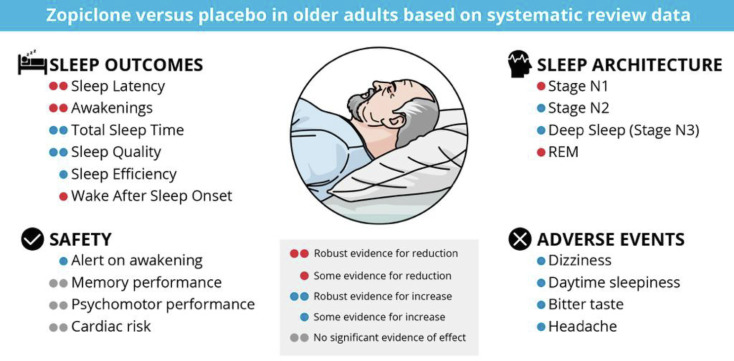
Zopiclone is a prescription sedative-hypnotic medication commonly used to treat short-term insomnia. It is typically reserved for cases where sleep disturbance is severe, distressing, and not improving with non-drug approaches.
Clinicians generally prescribe it as a temporary aid rather than a long-term solution because of risks such as tolerance and dependence.
What Is Zopiclone?
Zopiclone belongs to a class of medicines known as non-benzodiazepine hypnotics (“Z-drugs”). It works on the brain’s calming system by enhancing the activity of a neurotransmitter called GABA, which reduces brain activity and promotes sleep.
This leads to:
- Faster sleep onset
- Fewer night-time awakenings
- Improved overall sleep duration
The medication typically begins working within about one hour after ingestion.
How Zopiclone Works in the Brain
Zopiclone enhances the effect of GABA (gamma-aminobutyric acid), a chemical responsible for calming neuronal activity. By strengthening this inhibitory system, the brain transitions more easily from wakefulness into sleep.
This mechanism explains why patients often feel:
- Reduced mental “overactivity”
- Drowsiness within 30–60 minutes
- Relaxation before sleep onset
However, the same mechanism also explains its potential for dependence if used too frequently.
When Is Zopiclone Prescribed?
Doctors typically prescribe zopiclone for:
- Difficulty falling asleep (sleep-onset insomnia)
- Frequent night waking
- Short-term stress-related insomnia
- Acute sleep disruption due to anxiety or life events
It is not intended for chronic insomnia management, especially when symptoms persist beyond a few weeks.
Recommended Duration of Treatment
Most clinical guidelines recommend using zopiclone only for:
- 2 to 4 weeks maximum
Short courses are preferred because:
- The body develops tolerance quickly
- Sleep benefits may reduce over time
- Dependence risk increases with prolonged use
Long-term use is generally discouraged unless closely supervised.
Dosage Overview (General Clinical Practice)
Typical adult dosing includes:
- Standard adult dose: 7.5 mg at bedtime
- Older adults or sensitive patients: 3.75 mg starting dose
Doctors usually advise taking it only when:
- You can allow 7–8 hours of uninterrupted sleep
- You are ready to go to bed immediately afterward
Benefits of Zopiclone (Short-Term Use)
When used correctly and briefly, zopiclone may:
- Help reset disrupted sleep patterns
- Provide relief during acute insomnia episodes
- Reduce sleep-related anxiety in the short term
For some patients, it can act as a “bridge” while underlying causes of insomnia are addressed.
Risks and Side Effects
Like all sedative medications, zopiclone has important risks:
Common side effects
- Metallic or bitter taste in the mouth
- Dry mouth
- Morning drowsiness
Less common but important risks
- Memory impairment (especially short-term amnesia)
- Dizziness or coordination issues
- Unusual sleep behaviours (rare)
- Mood changes
Serious concerns
- Dependence with prolonged use
- Withdrawal symptoms if stopped suddenly
- Increased sedation risk when combined with alcohol or other sedatives
Tolerance and Dependence: Why Short-Term Use Matters
One of the main concerns in clinical practice is that the body can adapt to zopiclone relatively quickly.
This can lead to:
- Reduced effectiveness over time (tolerance)
- Psychological reliance on the medication for sleep
- Withdrawal-related rebound insomnia when stopping
For this reason, clinicians prefer:
- Lowest effective dose
- Shortest possible duration
- Intermittent or carefully supervised use
Safety Considerations for Patients
Patients are advised to avoid:
- Alcohol during treatment
- Driving or operating machinery after use
- Combining with other sedatives unless prescribed
Zopiclone should always be used exactly as prescribed to reduce risks.
Zopiclone in Clinical Perspective
From a medical standpoint, zopiclone is:
- Effective for short-term insomnia relief
- Not a cure for chronic sleep disorders
- Best used alongside behavioural sleep strategies (sleep hygiene, CBT-I, stress management)
Doctors increasingly emphasize that medication alone is rarely a long-term solution.
Important Note on Access and Misuse
In some regions, including parts of Europe, zopiclone is only available via prescription due to its sedative and dependence potential.
The keyword “buy zopiclone uk” often appears in online searches, but it is important to understand that zopiclone is a controlled prescription medicine in the UK and should only be obtained through a licensed healthcare provider following a clinical assessment.
Conclusion
Zopiclone is a clinically useful medication for short-term insomnia when used carefully and under medical supervision. It can provide fast relief from sleep disturbance, but its use must remain limited due to risks of tolerance and dependence.
For long-term improvement in sleep quality, healthcare providers typically recommend combining short-term medication use with behavioural and lifestyle-based sleep interventions.
